The History of the Land
We want to acknowledge that the land beneath and all around us is the traditional unceded land of the Tualatin Kalapuya people. Chehalem means "the outside place" in the Tualatin Kalapuya language and even though we are inside this Center, we thank you for getting outside of your house and being here with us. If you would like to learn more about the people of this area, please visit our friends at GrandRonde.org
/chahéeʔlim/, meaning ‘place to the outside,’ was the name of the Tualatin village at Chehalem Valley, which is now dominated by the town of Newberg.
“On the name “Chehalem,” from Henry Zenk, Notes on Native American Place-names of the Willamette Valley Region
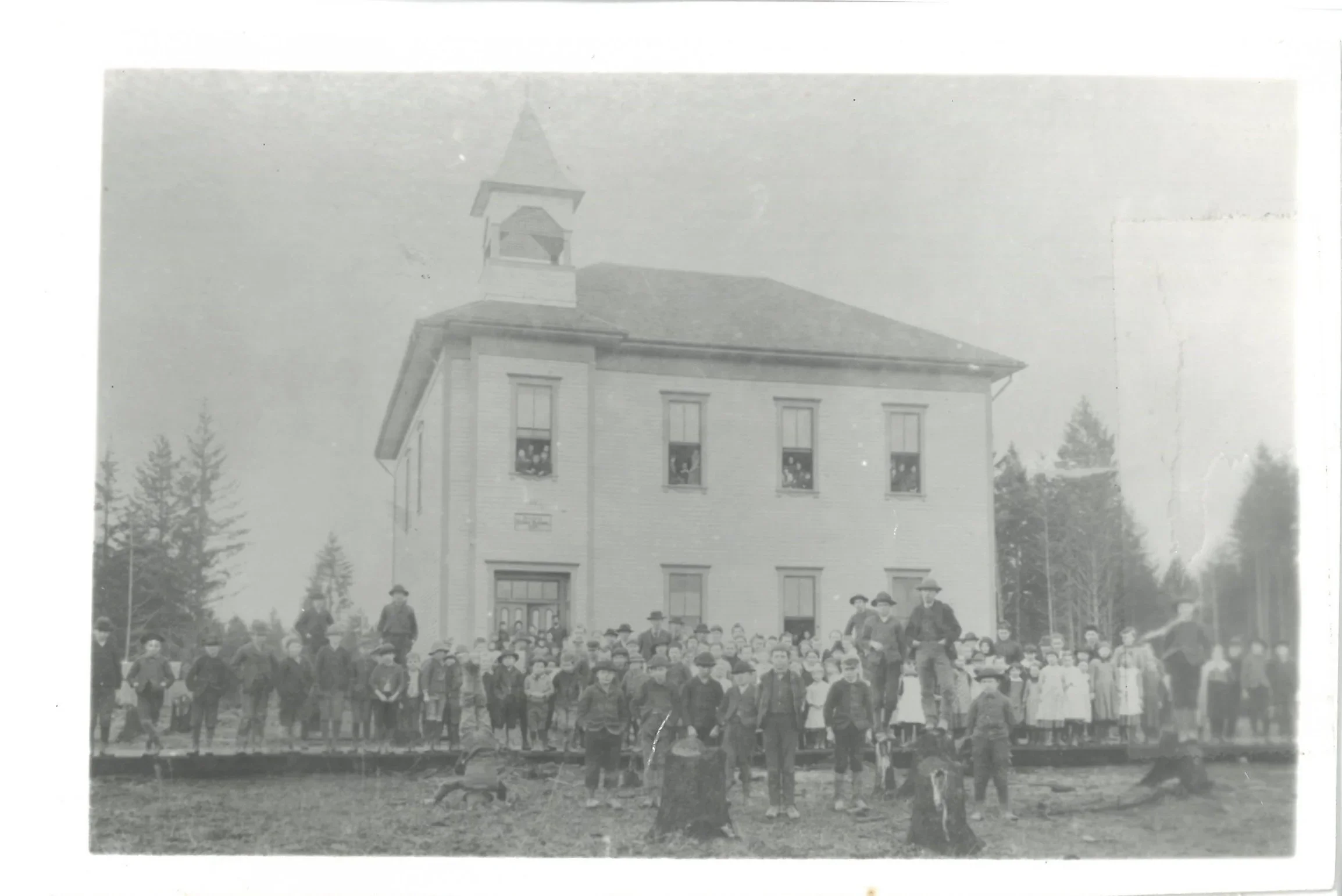
Newberg was incorporated as a town in 1889 and it's first elementary school opened on this spot. Simply known as “The School”, it housed grades 1-10.
-
![]()
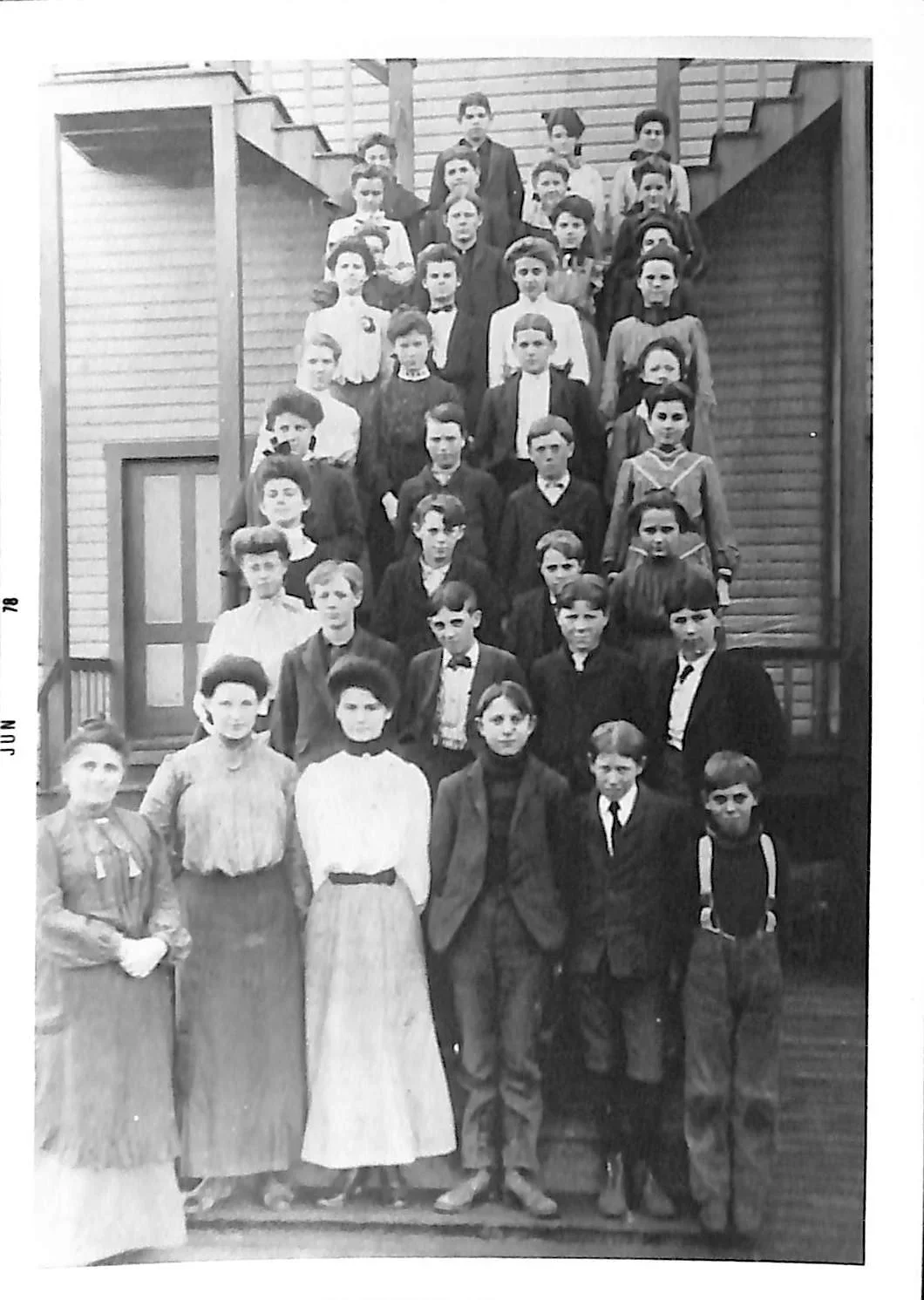
Newberg was incorporated as a town in 1889 and it's first elementary school opened on this spot. Simply known as “The School”, it housed grades 1-10 (Original school building, erected in 1889. Photo courtesy Newberg School District.)
-
![]()
Class photo. Photo from George Fox University Digital Archives.
-
![]()
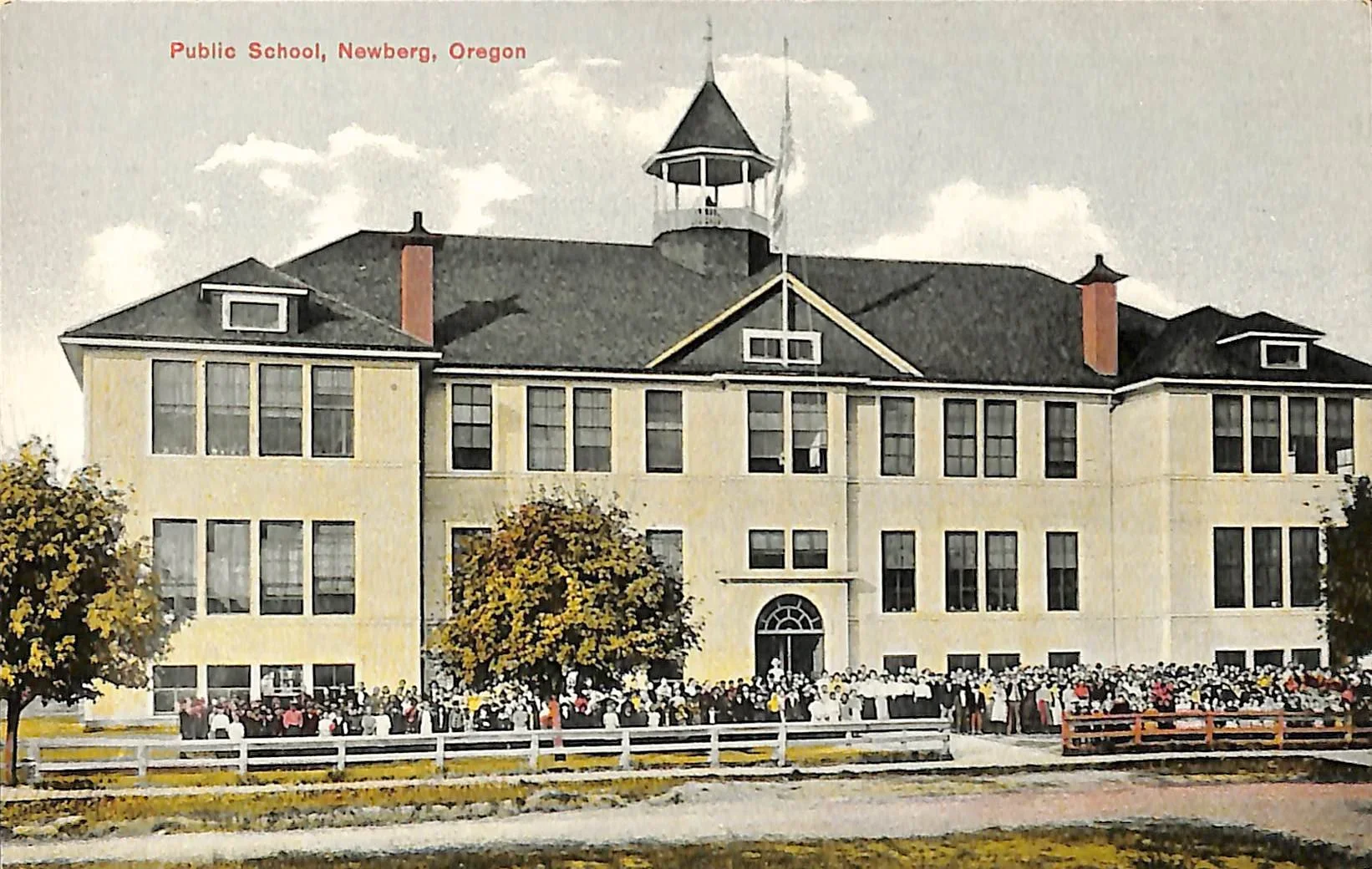
The city continued to grow, so a larger school was built on this site in 1905. Still known as “The School,” it now housed grades 1-6. (Postcard, no date. Image from George Fox University Archives.)
-
![]()
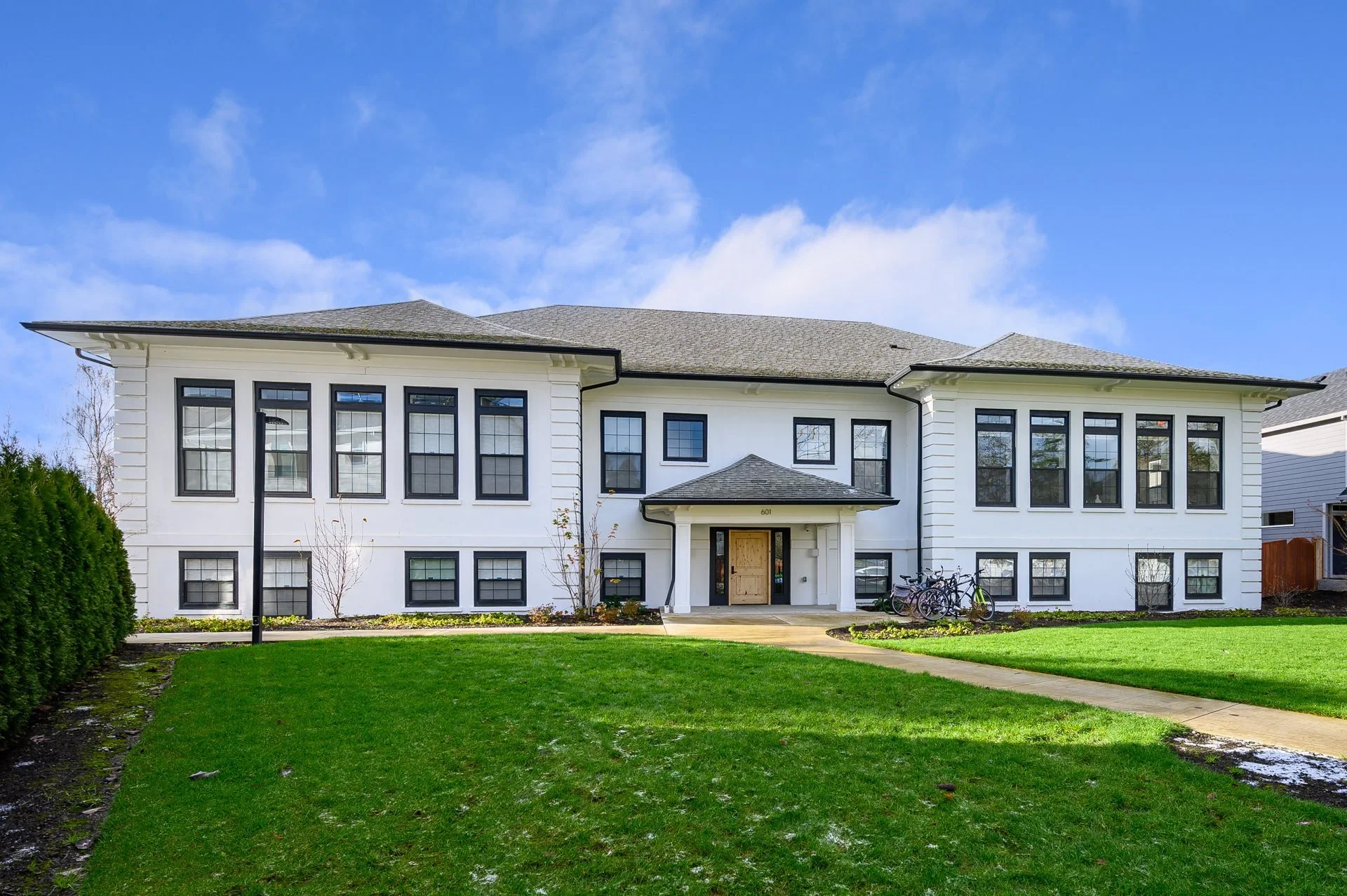
In 1923, Newberg built its second elementary school, Harding Elementary. “The School” now became “Central School.” Harding Elementary was eventually turned into apartments; it is located on Wynooski Road. (Harding School is now an apartment building. Image from Miller Consulting Group. )
The History of the Building
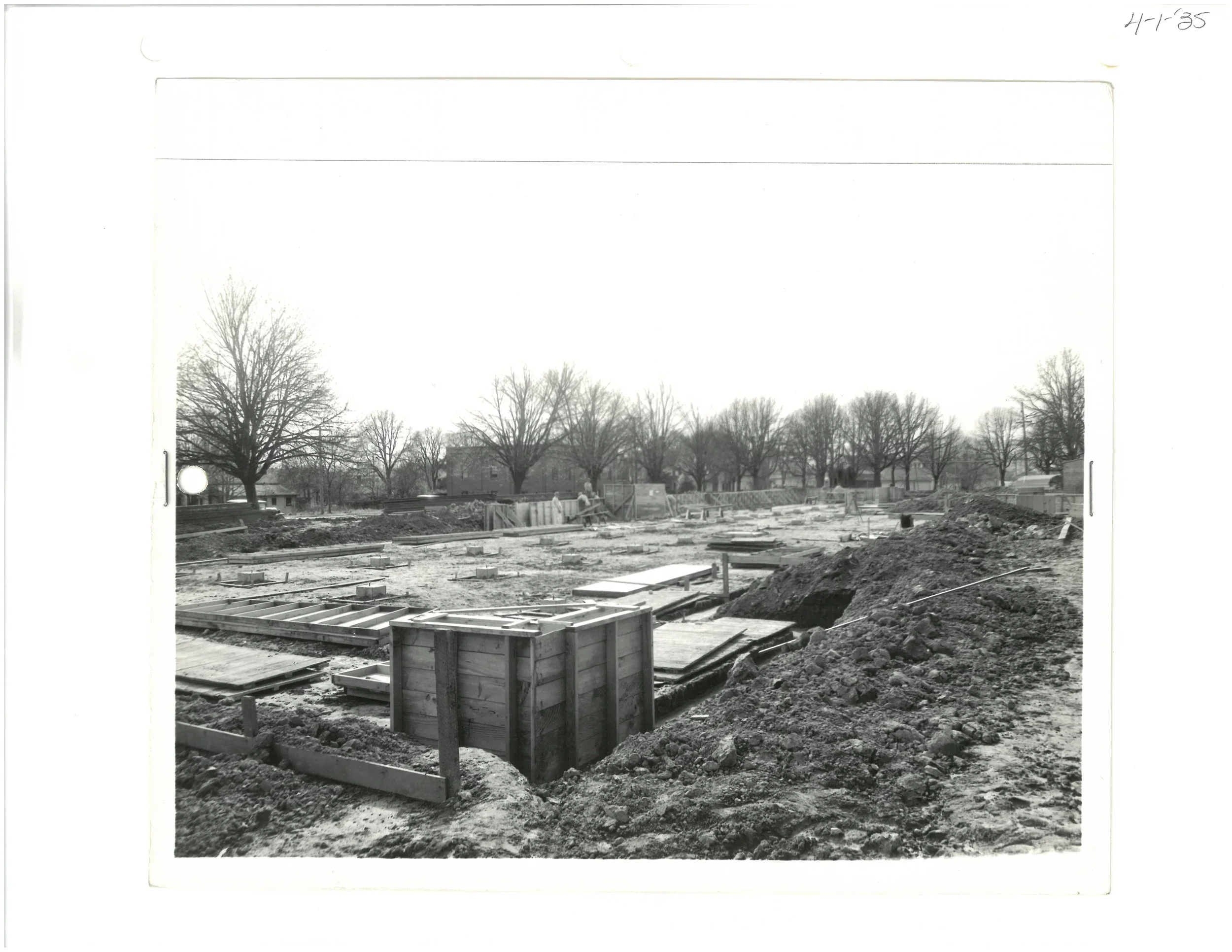
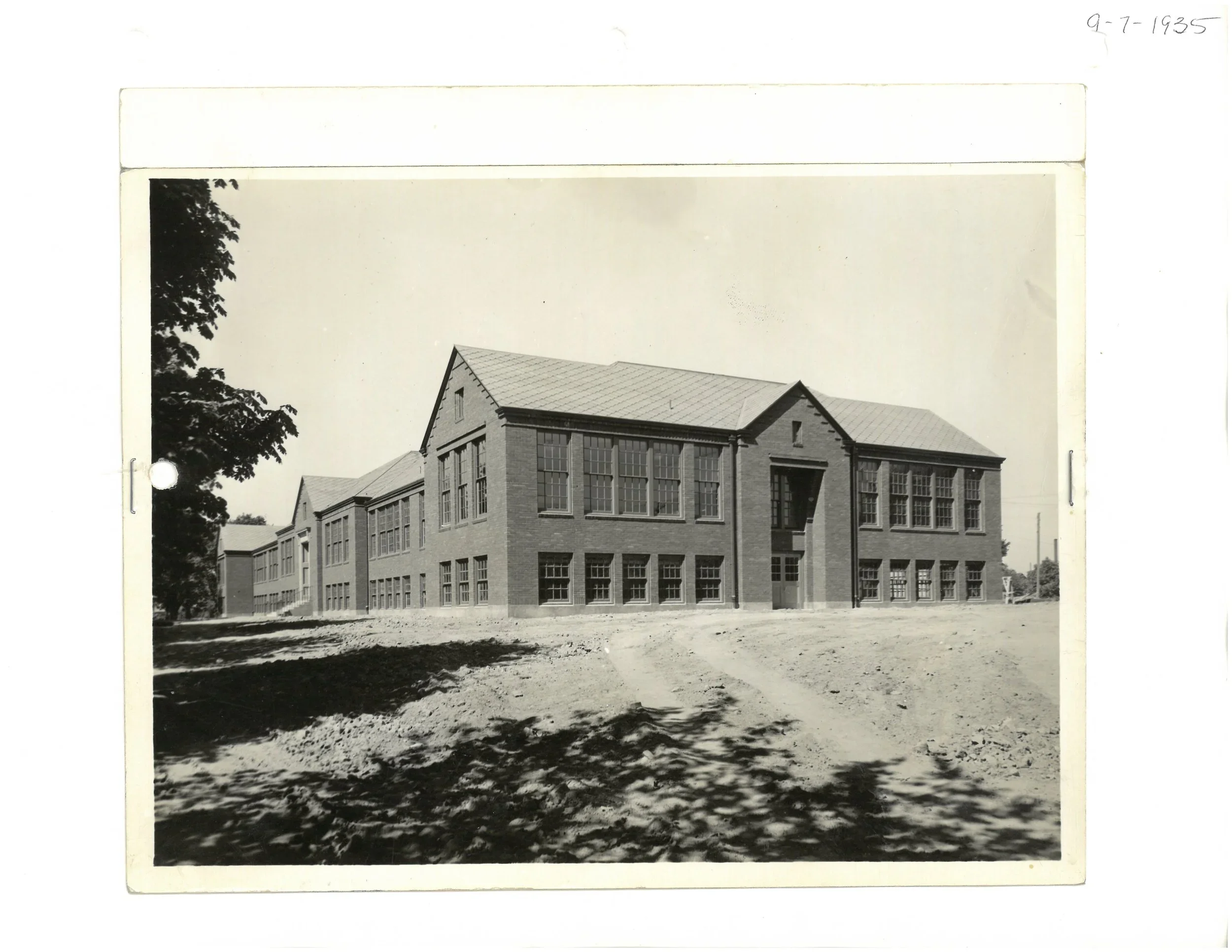
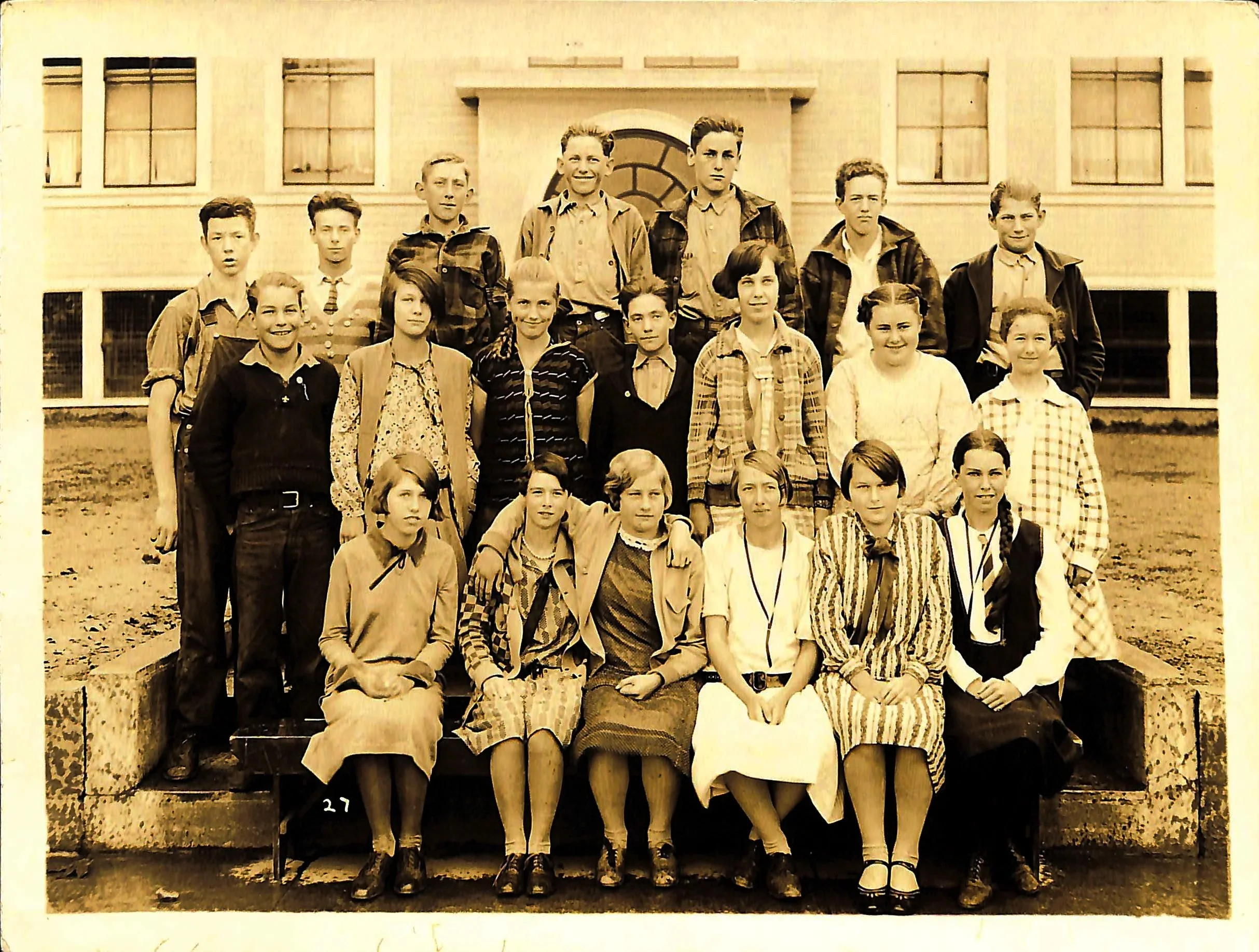
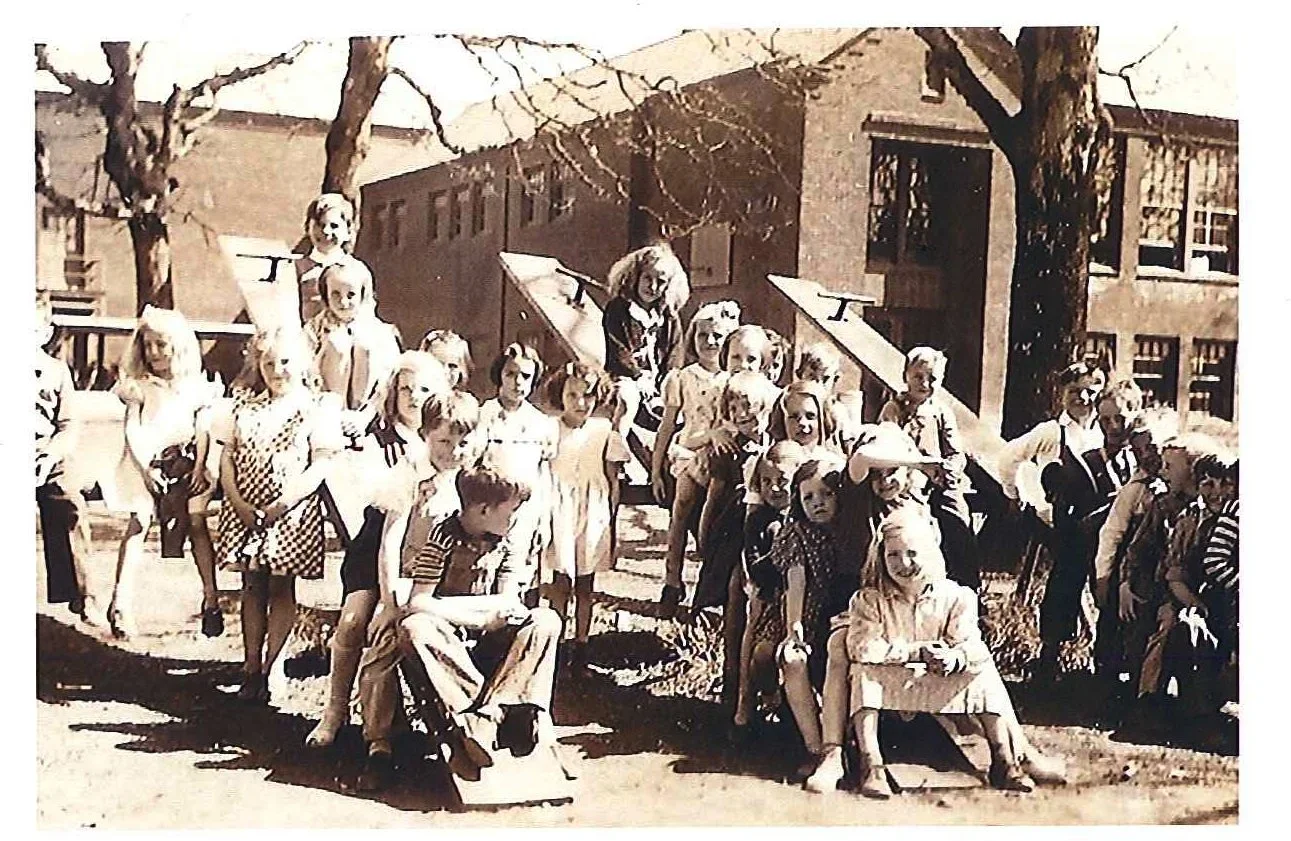
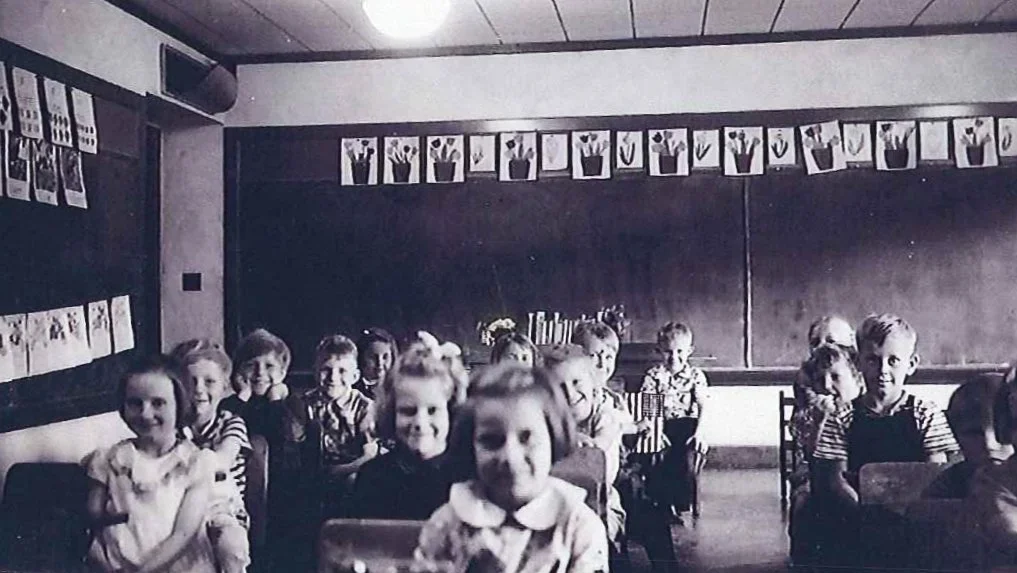
In 1935, the third and final school was built on this site. It still housed grades 1-6. The principal at the time was Mabel Rush. It was built, in part, thanks to the Works Progress Administration. The brick facade pays homage to Newberg’s first main industry and matches the brick of Newberg Library, across the street.
The History of the Chehalem Cultural Center
An earthquake in the early 1990s revealed that Central School needed to be retrofitted for earthquake safety. It was cheaper to build a new school, so Central closed in 1995. Chehalem Parks and Recreation District purchased the grounds and building in 1997. In 2007, community members proposed a “cultural center for the arts.”
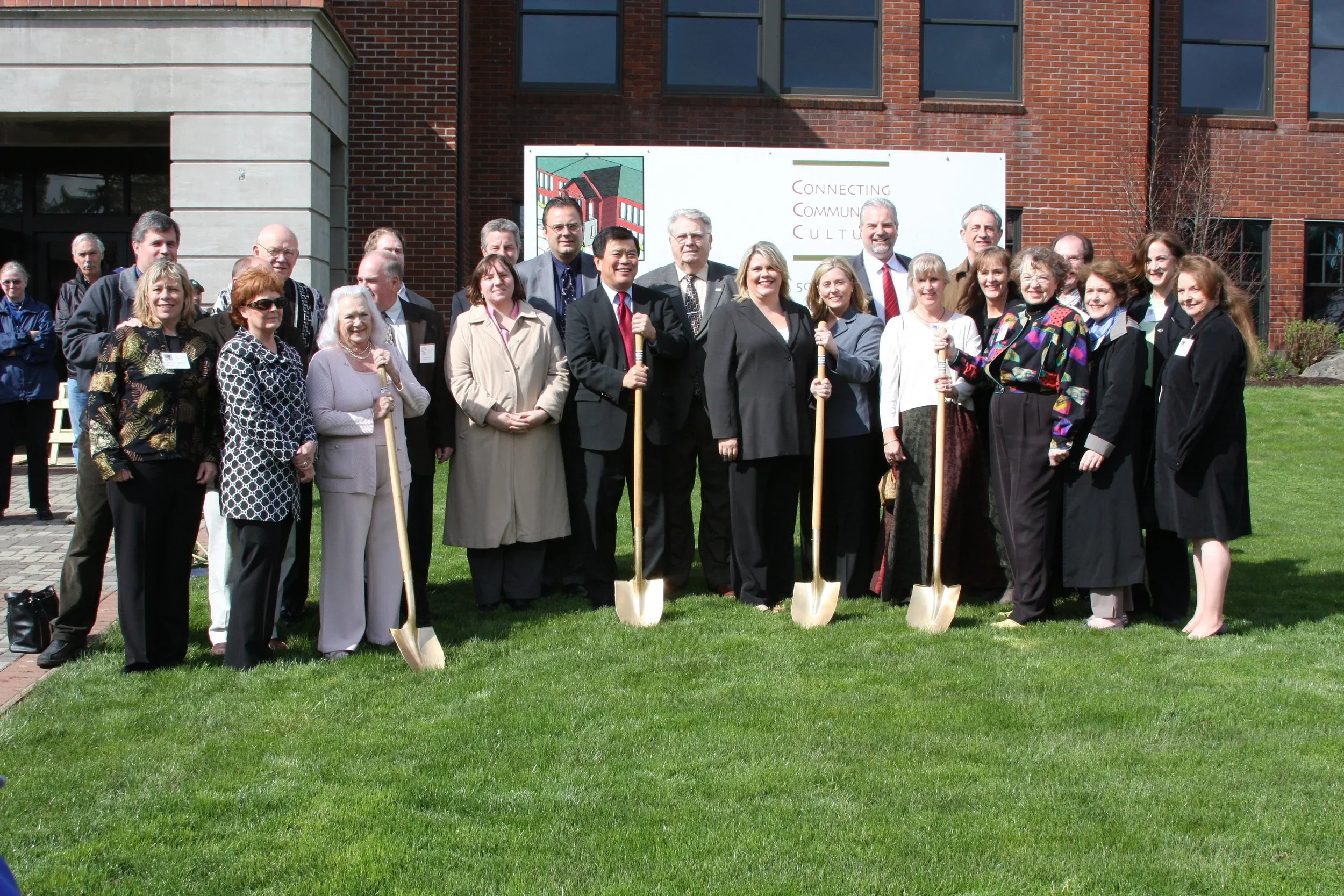
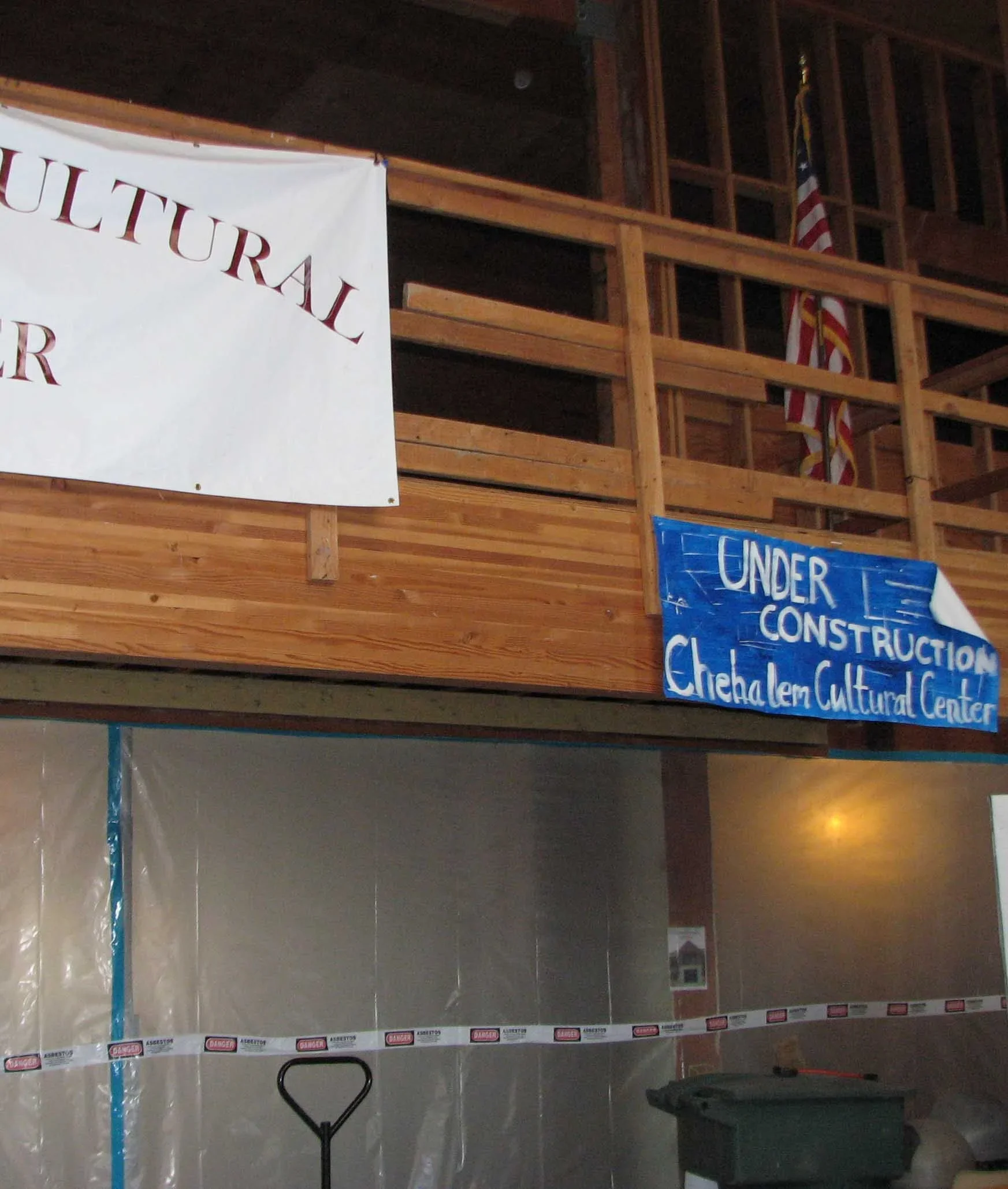
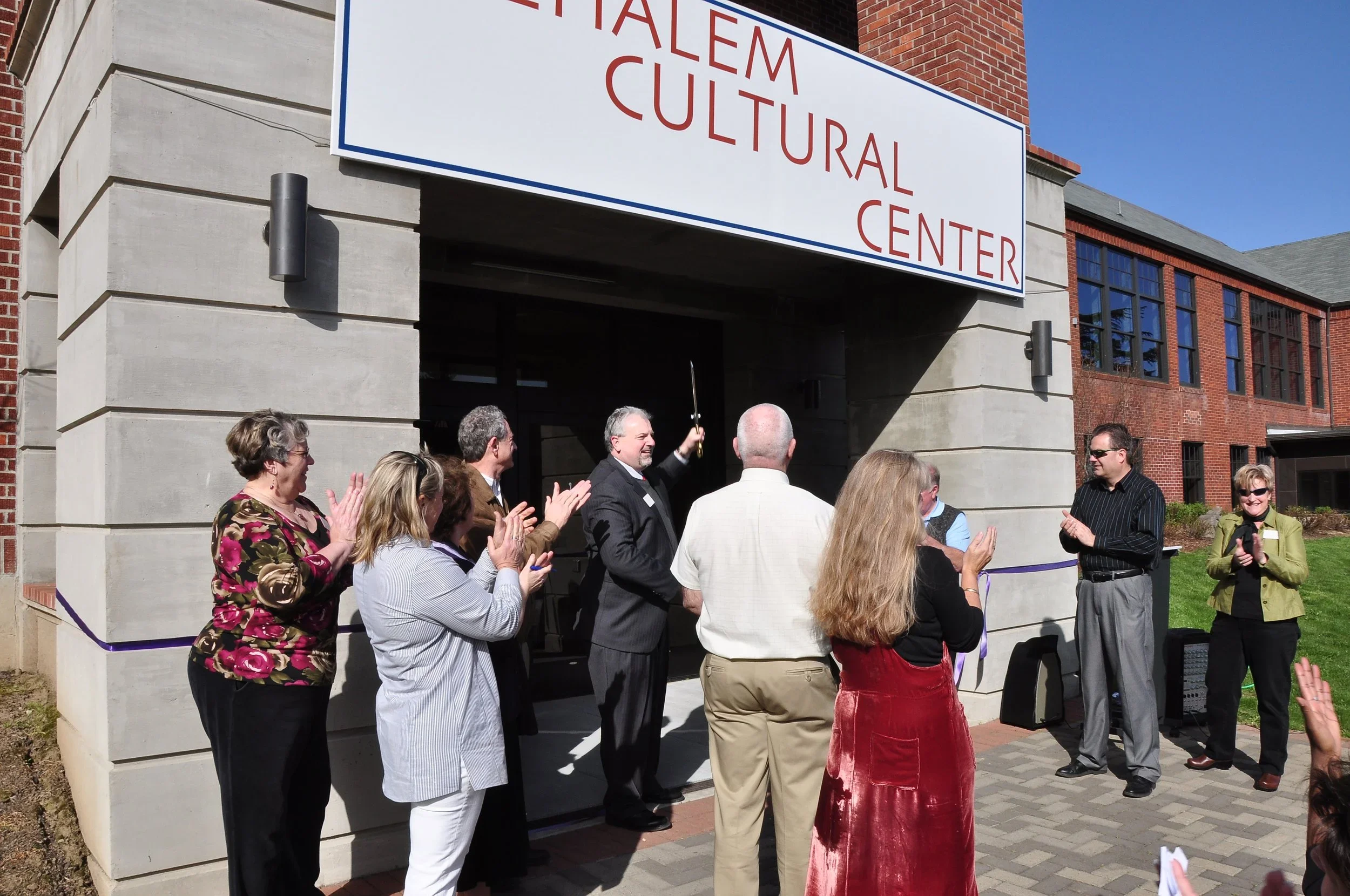
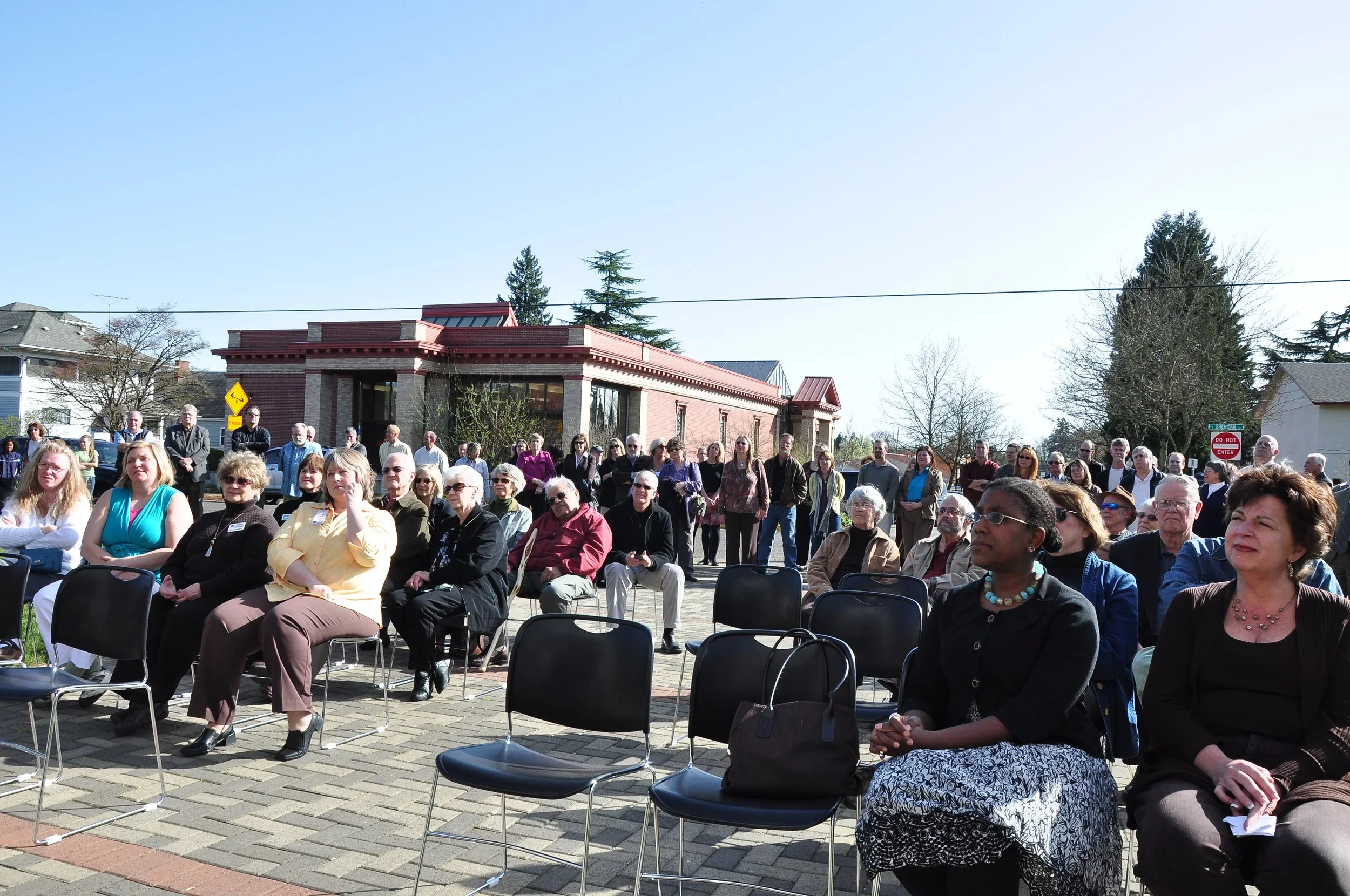
Thanks to the hard work of dedicated community members, the Chehalem Cultural Center broke ground in 2009 and opened in 2010. At the time, only the Parrish gallery, ceramics studio, and classrooms were usable. In 2014, the school’s gym was renovated into the Central Ballroom. In 2019, the Cox Family Culinary Center opened. And in 2024, the Lajoie Theater opened, as well as additional gallery space and a movement studio.